

Overview
Semaglutide is a GLP-1 (glucagon-like peptide-1) receptor agonist that has been one of the most widely researched peptide compounds of the past decade. Its selective GLP-1 receptor binding profile makes it a valuable research tool for studying incretin pharmacology, particularly for comparative studies against dual-agonist compounds such as Tirzepatide.
The 10mg vial is Nova Biolabs' entry-size Semaglutide option, well suited to smaller or preliminary research runs. Nova Biolabs supplies it in lyophilised form from UK domestic stock.
Key Research Areas
GLP-1 Receptor Pharmacology
As a selective GLP-1 agonist, Semaglutide is a foundational tool for studying GLP-1 receptor binding kinetics, activation and downstream signalling without GIP or glucagon receptor involvement.
Comparative Incretin Studies
Widely used as the single-agonist reference compound in studies comparing GLP-1 only vs. dual (Tirzepatide) vs. triple (Retatrutide) receptor activation outcomes.
Pancreatic Beta Cell Research
Studied in beta cell models for its effects on insulin secretion signalling pathways, particularly glucose-dependent insulinotropic mechanisms.
Single-Vial Research Flexibility
The 10mg size suits smaller research programmes or preliminary studies before committing to a larger vial.
Product Specifications
| Format | Lyophilised powder |
| Quantity | 10mg per vial |
| Purity | >98% (HPLC verified) |
| Storage | Refrigerate at 2–8°C. Stable 24 months lyophilised. |
| Origin | UK domestic stock |
| Research use | In vitro / laboratory use only |
Frequently Asked Questions
Commonly Stacked With
Compounds researchers often study alongside this one, and why.

The reference single-agonist compound in comparative studies against dual/triple agonists — often ordered together for head-to-head receptor research.
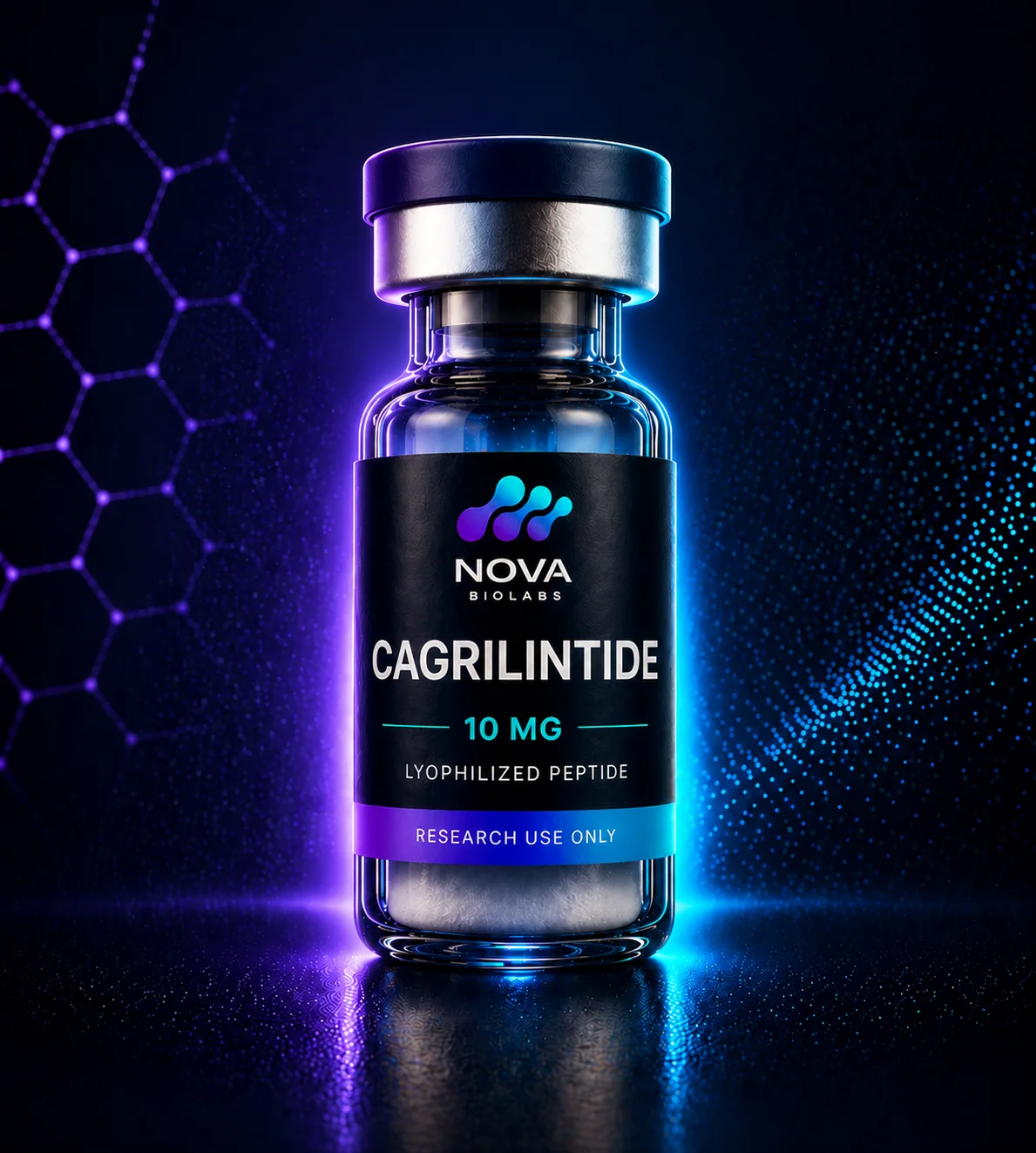
Amylin and GLP-1 receptor pathways are frequently studied together — Cagrilintide is often paired with a GLP-1 agonist for combined appetite-signalling research.

Tissue-repair peptides are commonly studied alongside GLP-1 research given the shared interest in metabolic and recovery signalling during extended protocols.