
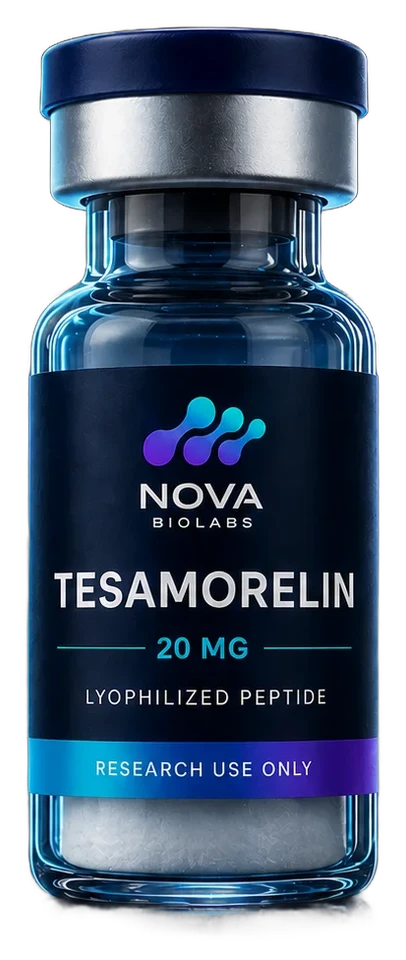
Overview
Tesamorelin is a stabilised analogue of growth hormone releasing hormone (GHRH), modified to resist enzymatic degradation while retaining full GHRH receptor binding activity. This stability makes it a particularly useful research tool for studying pituitary GH secretion mechanisms and downstream IGF-1 signalling over extended experimental timeframes.
The 20mg vial supplies double the quantity of the 10mg size at a better price per milligram, suited to extended or multi-arm research programmes. Nova Biolabs supplies Tesamorelin 20mg in lyophilised form from UK domestic stock.
Key Research Areas
GHRH Receptor Studies
Tesamorelin's full GHRH receptor agonism alongside its improved stability profile makes it a preferred tool for studying GHRH receptor activation and pituitary somatotroph function.
GH/IGF-1 Axis Research
Stimulation of GH release via the GHRH pathway makes Tesamorelin valuable for studying the downstream GH/IGF-1 signalling axis in hepatic and peripheral tissue models.
Extended & Multi-Arm Studies
The 20mg vial supports research programmes running multiple experimental arms or longer timeframes without needing to reorder mid-study.
Visceral Adipose Tissue Research
Tesamorelin has been studied in research models examining the relationship between GH pulsatility and visceral adipose tissue metabolism.
Product Specifications
| Format | Lyophilised powder |
| Quantity | 20mg per vial |
| Grade | Research Grade |
| Storage | Refrigerate at 2–8°C. Stable 24 months lyophilised. |
| Origin | UK domestic stock |
| Research use | In vitro / laboratory use only |
Frequently Asked Questions
Commonly Stacked With
Compounds researchers often study alongside this one, and why.
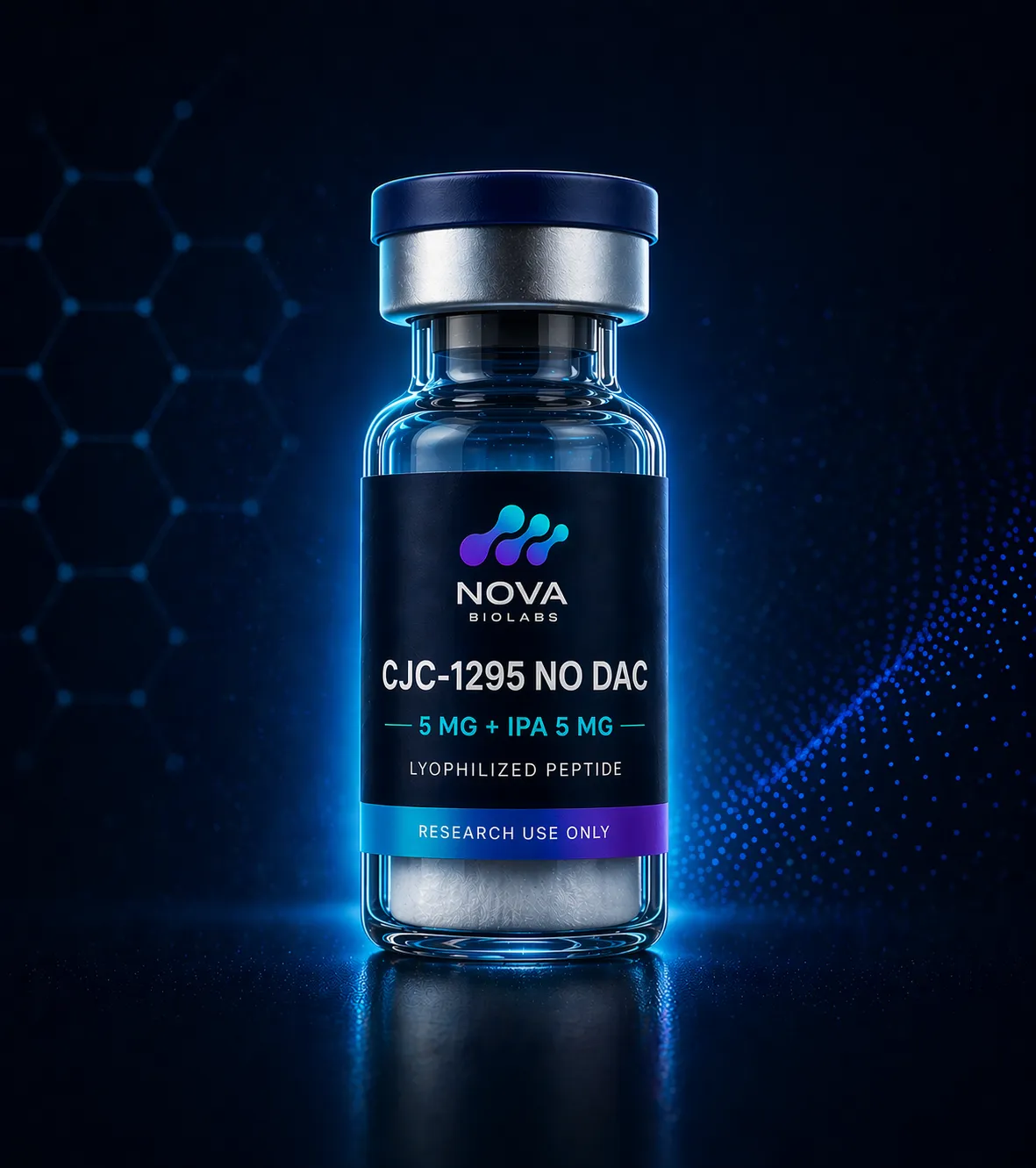
Paired in the GH Axis Stack — secretagogue and GHRH-analogue research is commonly combined to study synergistic GH-release pathways.
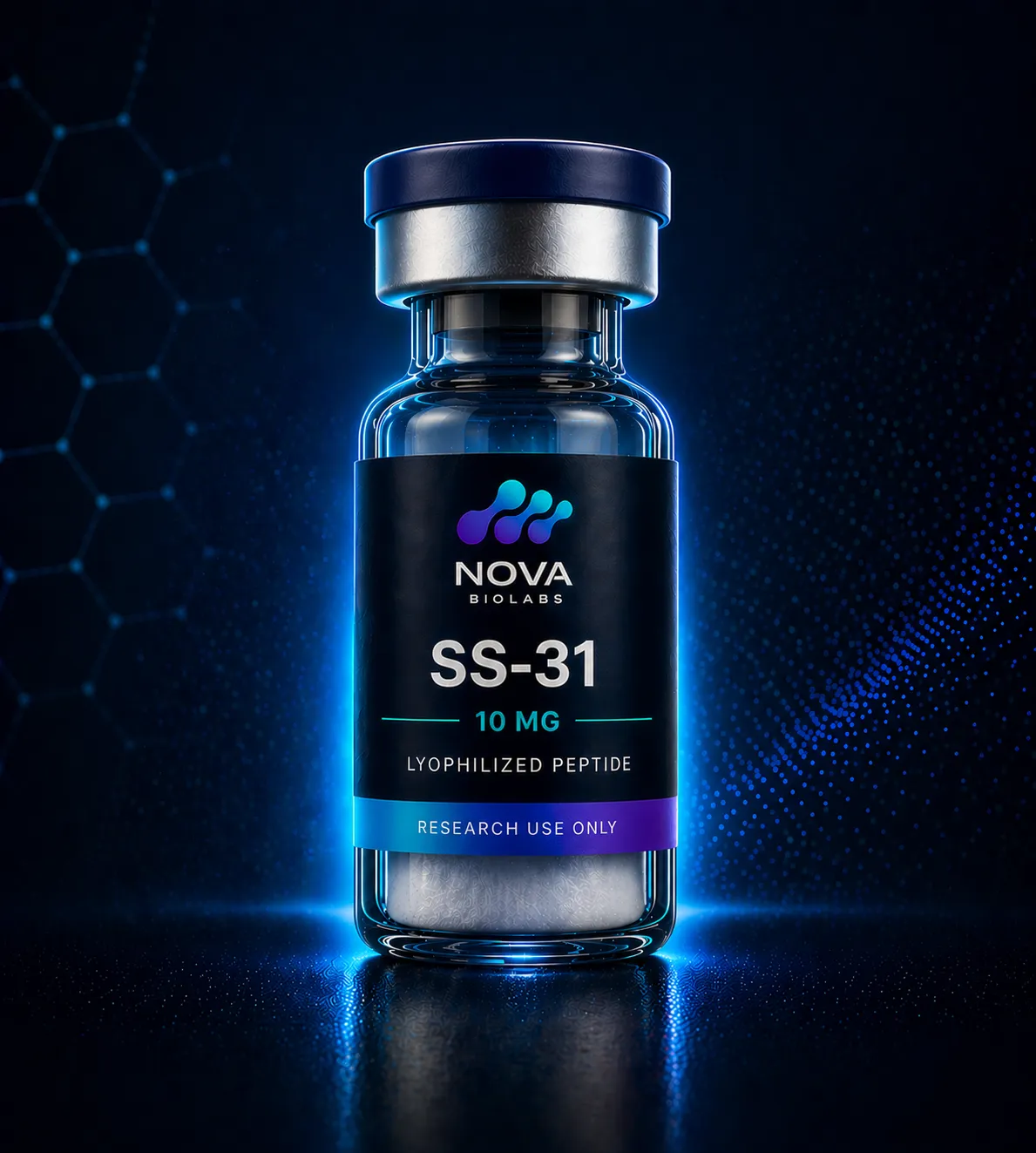
Paired in the Elite Bundle — GHRH-analogue research alongside mitochondrial-membrane research for combined endocrine/cellular-energy focus.

A useful comparison pair for research distinguishing "encouraging the body’s own GH release" (Tesamorelin) from direct exogenous GH administration.